Some of the oldest texts embedded in rocks? Top 10 Essential Travel Tips for First-Time Travelers
The image shows a scenic view of a long, arched railway bridge curving gracefully through a lush green landscape. A vintage-style steam train with red carriages is traveling across the bridge, releasing a plume of white smoke. The surrounding area is covered in rolling hills and dense greenery, giving the scene a picturesque and peaceful atmosphere — it looks like a popular travel or sightseeing spot, possibly in a rural or mountainous region.
Cars come in a variety of body styles and sizes, such as sedans, SUVs, hatchbacks, coupes, convertibles, and for pickup trucks, each serving different needs and preferences.

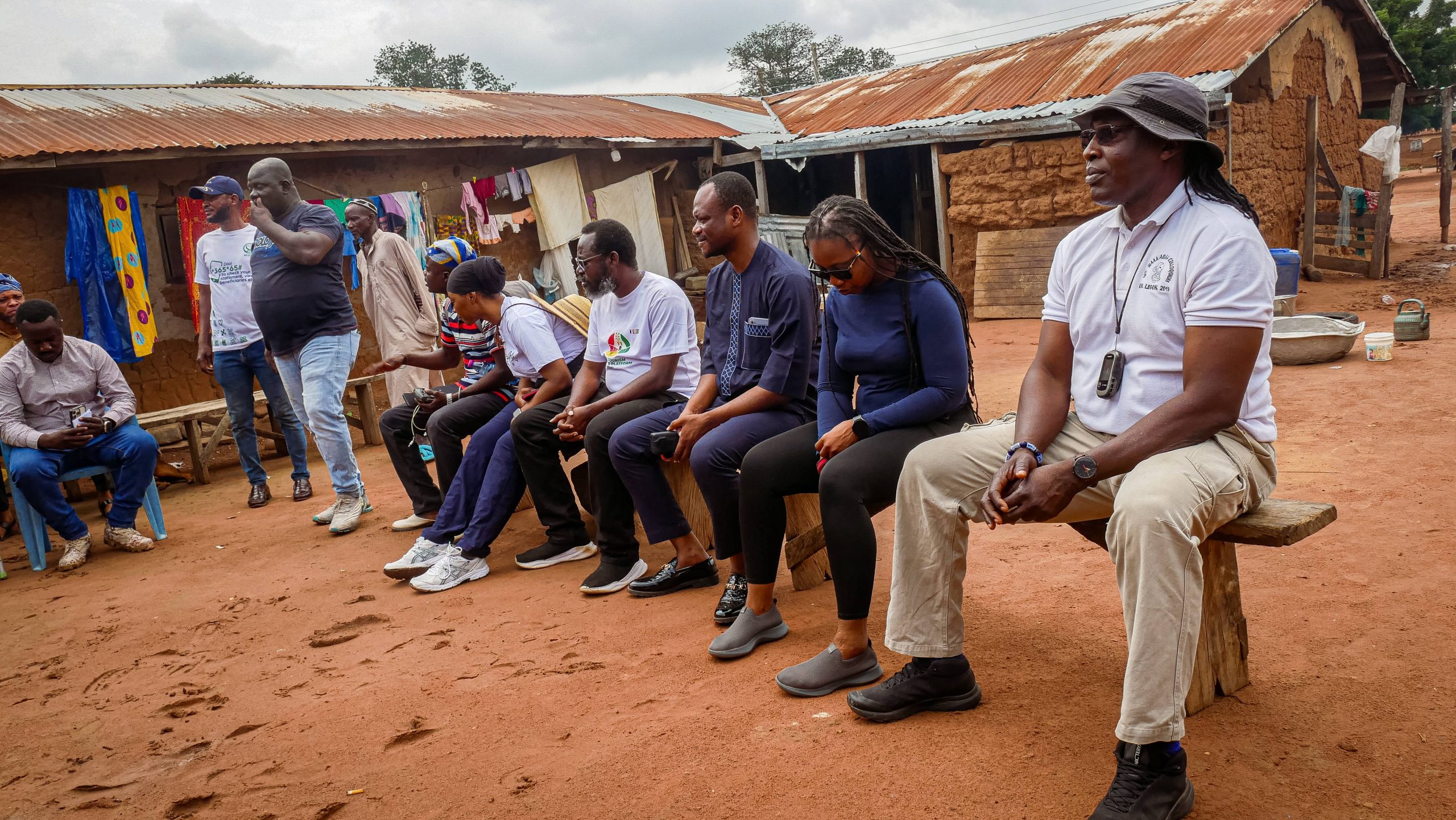
But they had eyes focused on finding our target, a “footprint and a kneecap” relic of the founder of Gonjaland, Sumaila Ndewura Jakpa, and his “wife” (never known), and deep into the woods they hurried.
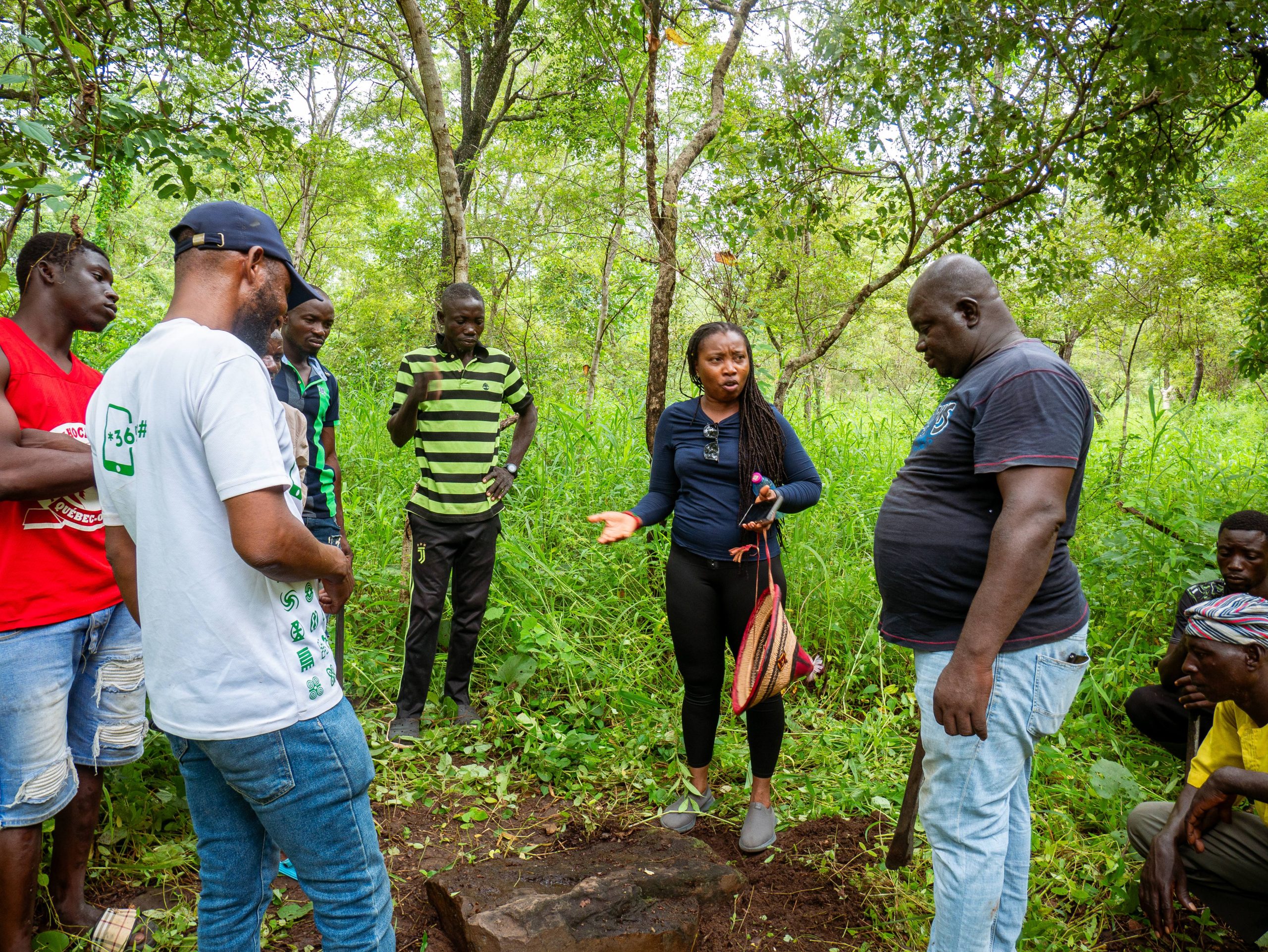
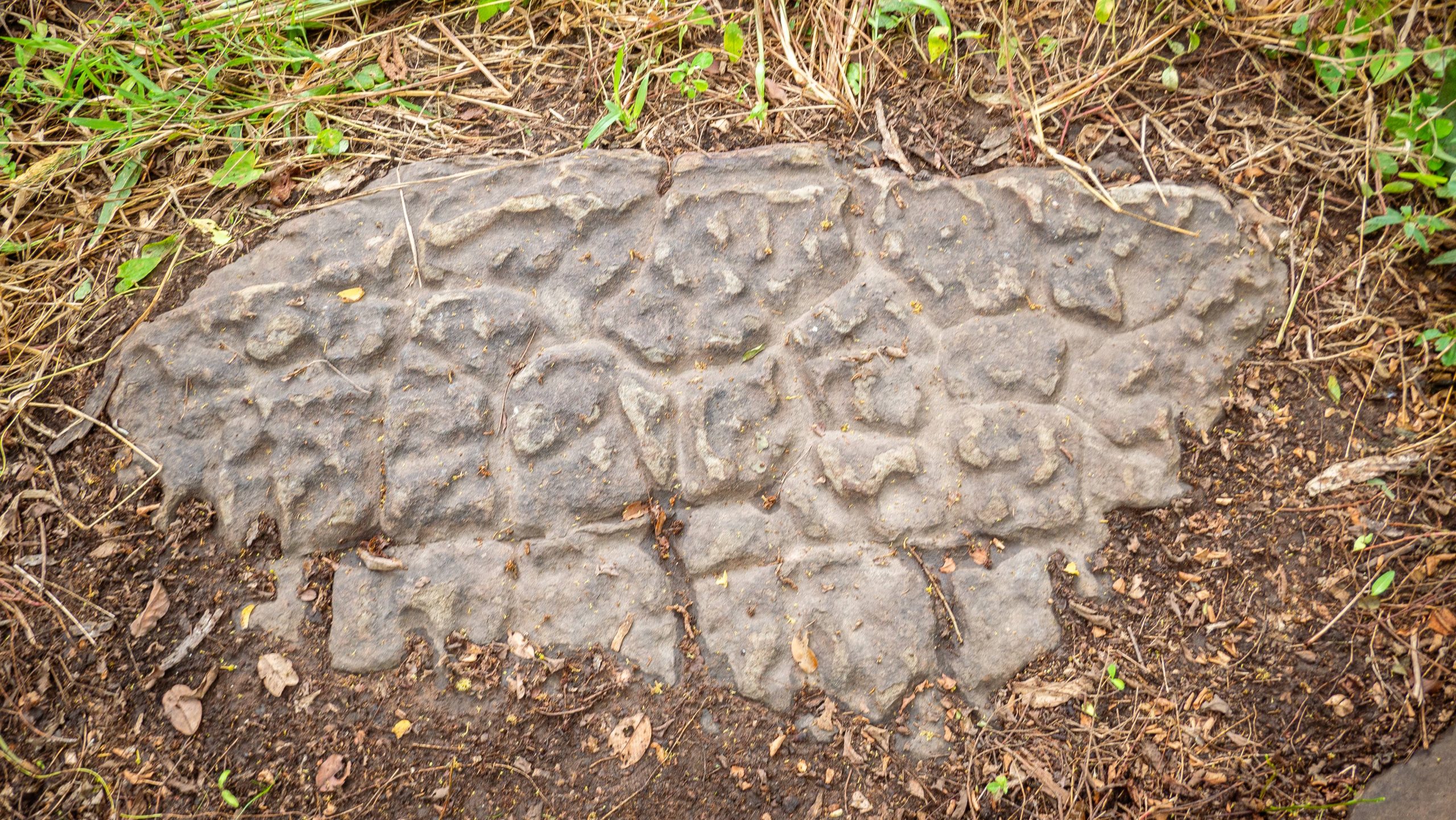
But giving up has never been my forte, so I weeded until the full surface of the object was visible. “Yes. These are texts! With excitement, I yelled. My photographer, Rauf, a former assembly member, and Jawula, my liaison, were drawn in by that yell like a thunderstorm.
With the fallen weeds, I began sweeping the sand debris, and clearly there were texts embedded on the surface of the rock. As my curiosity increased, I came across a smaller companion with superficially similar texts.
“Guys, these are definitely texts. I think they are Arabic,” as I kept whipping the sand debris. Finally, Jawula landed some weeds and joined the cleaning party.
It was a calm, somewhat sunny Thursday, the 28th of August 2025. The time: 14:50 GMT in the Klor traditional area of the East Gonja municipality of Ghana’s Savannah Region, in what was once a dense forest in the Akamade community.
Some ancient artefacts thought to provide proof of human existence as early as the 1500s can be found at Akamade. Did we find the footprint and kneecap? No. Nevertheless, my discovery was satisfying enough to end the day’s exploration.
As we headed for the Volta Lake in Yeji on Friday, the 29th of August, I mentioned the news to Professor Kobby Mensah, the Chief Executive Officer of the Ghana Tourism
With the speed of light, Professor Wazi Apoh, Dean of the School of Arts at the University of Ghana, was informed of the news by an enthusiastic Professor Mensah.
“They are undoubtedly rock arts. If it is established, you could have discovered one of the oldest texts, Zubaida,” Professor Apoh of the Department of Archaeology and Heritage Studies’ preliminary comments.
“The sites could have been settled through the Iron Age (from 500 BC approx.)…through the days of enslavement, including periods of Ndewura…,” preliminary comments by Professor Apoh revealed.
Sandwiched by the rocks with the texts are rocks that are perceived to be the Akan Oware game board played during leisure by Sumaila Ndewura Jakpa and his close compatriots, a folktale passed down through generations.

“My observation based on the photos is that these are grooves on rock. One of the rocks with the grooves mimics an Akan oware game board; hence, the perception. It could mean more if this feature is well analysed contextually,” said Prof. Apoh. “So, I can’t conclude on my observation of this image. There is the need for a physical assessment,” he added.
Professor Kobby Mensah of the University of Ghana Business School and Professor Apoh, along with two archaeological assistants from the Department of Archaeology and Heritage Studies at the University of Ghana, are anticipated to visit the site for an archaeological expedition, marking the start of research visits.
The archaeological expedition will give the team the chance to find clusters, map the region, pinpoint GPS locations, learn about the area’s history from local residents, and organise follow-up activities like excavation.

“I’m excited about the potential of these significant finds to the communities in the area…” Professor Apoh concluded.
Attorney Salisu Be-awuribe Sualisu, the Savannah Regional Minister, and Mr. Kassim Yazid, the East Gonja Municipal Chief Executive, will be seeing the site for the first time during the planned three-day visit.
In the Gurishi Zongo community in Salaga, the team will also be touring the locations of what are believed to be parts of the wall of Sumaila Ndewura Jakpa’s mud house. They will also visit the slave cemetery and a “spear” planted by the founder. The untapped treasures of Gonjaland.
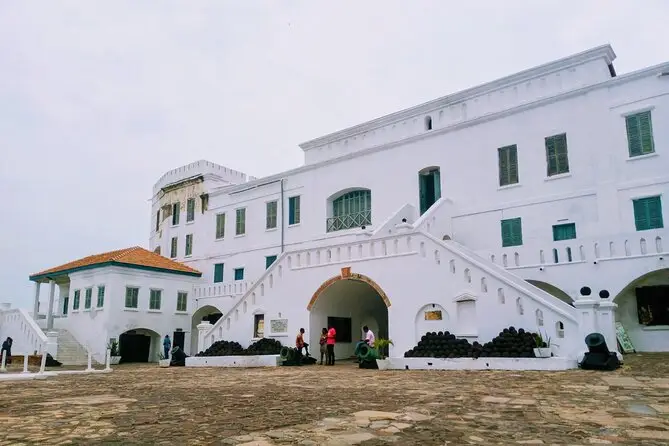
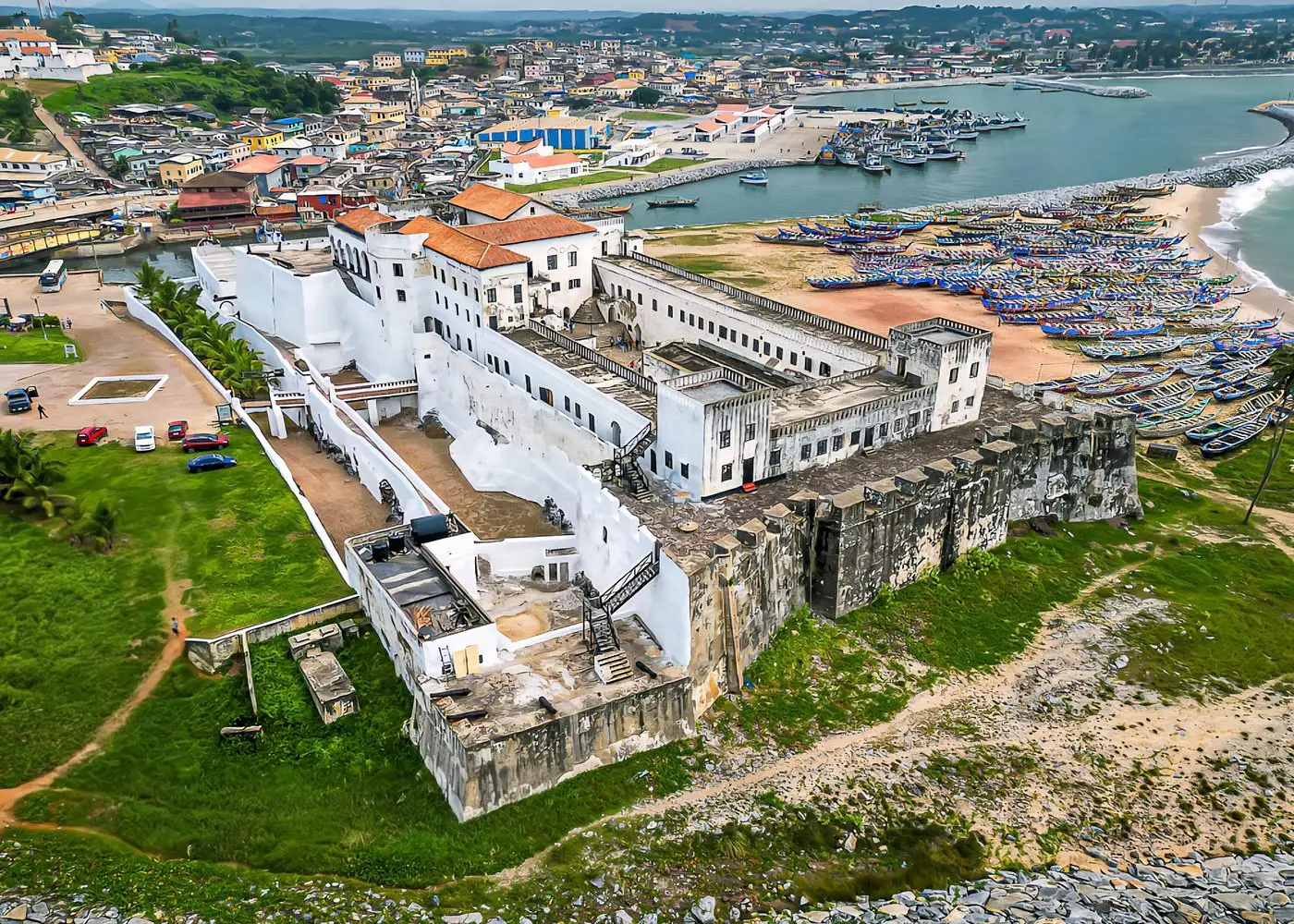
Why has the Savannah Region not assumed its rightful position in the entire transatlantic slave trade tales? Why do the majority of tours related to the slave trade start and conclude in Ghana’s Central and Greater Accra Regions?
What did their founder look like, and who are the Gonjas at all? As I looked through the window of the EgyptAir flight from Manchester to Accra on March 30, 2025, in an attempt to learn more about the Savannah Region’s tourism potential, these and numerous other questions raced through my mind.
My plans had been communicated with the region’s chief government appointee, Lawyer Salisu Be-awuribe Sualisu. Following fruitful meetings with the minister and all of the district and municipal chief executives, I set out to learn more about the tourism investment potential of the area I had long admired in addition to my paternal region, Oti.
I found these texts embedded in two rocks while on one of these trips to profile what have been called Sumaila Ndewura Jakpa’s footprints and the kneecap of one of the women who used to serve him during his conquests.
The Ghana Tourism Development Company’s Ghana Tourism Investment Platform and Ghana Tourism Market Place, two e-commerce sites, and other platforms, such as the website of Tourism Investment Solutions, are anticipated to host my work.
To be continued….